




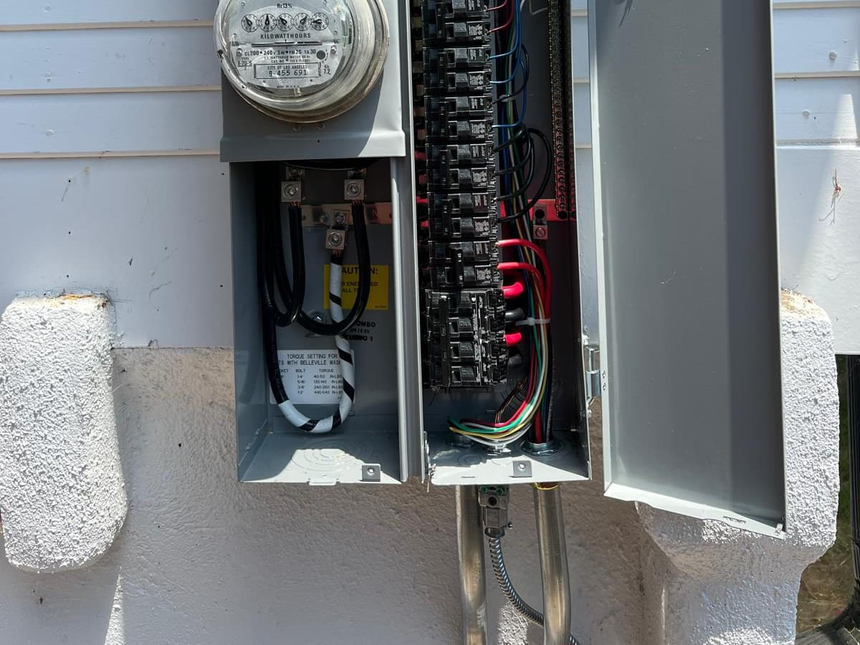
An electrical panel is one of the most important parts of a home’s electrical system. It distributes electricity throughout the property and helps protect circuits from overloads. As homes become more dependent on appliances, electronics, electric vehicles, and other high-power equipment, an older electrical panel may no longer provide enough capacity.
For homeowners considering an upgrade, one of the first questions is usually about price. The cost of an electrical panel upgrade can vary considerably depending on the home’s existing electrical system, the size of the new panel, labor requirements, local regulations, and whether additional electrical work is necessary. Homeowners researching electrical upgrades can also consult EvolutionElectricSolar.com to learn more about electrical and energy-related services.
Average Cost of an Electrical Panel Upgrade
A typical residential electrical panel upgrade can cost anywhere from around $1,000 to $4,000 or more, depending on the project. Smaller and straightforward replacements may fall toward the lower end of the range, while major upgrades involving service changes, rewiring, or additional electrical work can cost substantially more.
The panel itself is only one part of the total expense. Professional labor, permits, inspection fees, wiring, breakers, and other components can all affect the final price.
Because every property has a different electrical setup, homeowners should generally treat online cost estimates as starting points rather than guaranteed prices.
What Is Included in a Panel Upgrade?
An electrical panel upgrade usually involves more than simply removing an old box and installing a new one. The electrician first needs to evaluate the existing electrical system and determine what type of upgrade is appropriate.



Depending on the project, the work may include:
- Removing the existing electrical panel
- Installing a new panel
- Replacing or upgrading circuit breakers
- Connecting existing circuits to the new panel
- Updating wiring where necessary
- Improving grounding and bonding
- Obtaining required permits
- Completing electrical inspections
In some homes, the existing wiring and service can support the new panel without major changes. In others, additional work may be required before the upgrade can be completed safely.
Panel Size Can Affect the Price
Electrical panels are available in different capacities. Older homes may have smaller electrical services, while newer homes or properties with high electricity demands may require larger systems.
A common residential upgrade is from a lower-capacity service to a 200-amp panel, although the appropriate capacity depends on the property’s electrical load.



A larger panel can cost more, but the panel size itself is not always the biggest factor. If upgrading the service requires changes to the meter, service entrance, utility connection, or main electrical conductors, the total project cost can increase significantly.
An elect